✔ Dr. Gangesh Gunjan is available in Noida ✔ Contact Dr. Gangesh Gunjan in Delhi ✔ Serving Noida, Delhi & NCR ✔ 24/7 Support Available ✔ Dr. Gangesh Gunjan is available in Noida ✔ Contact Dr. Gangesh Gunjan in Delhi ✔ Serving Noida, Delhi & NCR ✔ 24/7 Support Available

+91 7727834367

Contact Our Experts

gangeshgunjan97@gmail.com

Contact Our Experts

Monday-Saturday

9 am - 5 pm

Spinal Tumors

Spinal Tumors

Intramedullary

Extramedullary

Spinal tumors are abnormal growths that develop in or around the spinal cord and spinal column. These tumors may be benign (non-cancerous) or malignant (cancerous). Spinal tumors can compress the spinal cord or nerves, leading to pain, weakness, numbness, and difficulty walking. Early diagnosis and surgical treatment are very important to prevent permanent nerve damage or paralysis.


Types of Spinal Tumors

Spinal tumors are mainly classified based on their location relative to the spinal cord:

  1. Intramedullary Tumors
  2. Extramedullary Tumors

Intramedullary Spinal Tumors

Intramedullary Spinal Tumor are tumors that develop inside the spinal cord itself. These tumors are more complex because they involve the spinal cord tissue directly.

Common Intramedullary Tumors

  • Ependymoma
  • Astrocytoma
  • Hemangioblastoma
  • Glioma

Symptoms

  • Neck or back pain
  • Weakness in arms or legs
  • Numbness or tingling
  • Loss of sensation
  • Difficulty walking
  • Balance problems
  • Muscle stiffness
  • Loss of bladder or bowel control

Treatment

  • Microsurgical tumor removal
  • Spinal cord tumor surgery
  • Intraoperative neuro monitoring
  • Radiation therapy (if required)
  • Rehabilitation and physiotherapy

Goal of Surgery

  • Remove tumor safely
  • Preserve spinal cord function
  • Prevent paralysis
  • Improve mobility

Intramedullary tumor surgery requires high precision microsurgery and advanced neurosurgical techniques.


Extramedullary Spinal Tumors

Extramedullary Spinal Tumor are tumors that develop outside the spinal cord but inside the spinal canal. These tumors usually compress the spinal cord from outside and are often easier to remove compared to intramedullary tumors.

Types of Extramedullary Tumors

Extramedullary tumors are of two types:

  • Intradural Extramedullary Tumors
  • Extradural Tumors

Common Extramedullary Tumors

  • Meningioma
  • Schwannoma
  • Neurofibroma
  • Metastatic spine tumors

Symptoms

  • Back pain (especially night pain)
  • Pain radiating to arms or legs
  • Numbness
  • Weakness
  • Difficulty walking
  • Spinal cord compression symptoms
  • Loss of bladder or bowel control

Treatment

  • Spinal tumor removal surgery
  • Spinal decompression
  • Spinal stabilization (if required)
  • Minimally invasive spine surgery
  • Radiation therapy
  • Chemotherapy (for metastatic tumors)

Goal of Surgery

  • Remove tumor
  • Relieve spinal cord compression
  • Stabilize spine
  • Reduce pain
  • Improve neurological function

Diagnosis of Spinal Tumors

Spinal tumors are diagnosed using:

  • MRI Spine
  • CT Scan
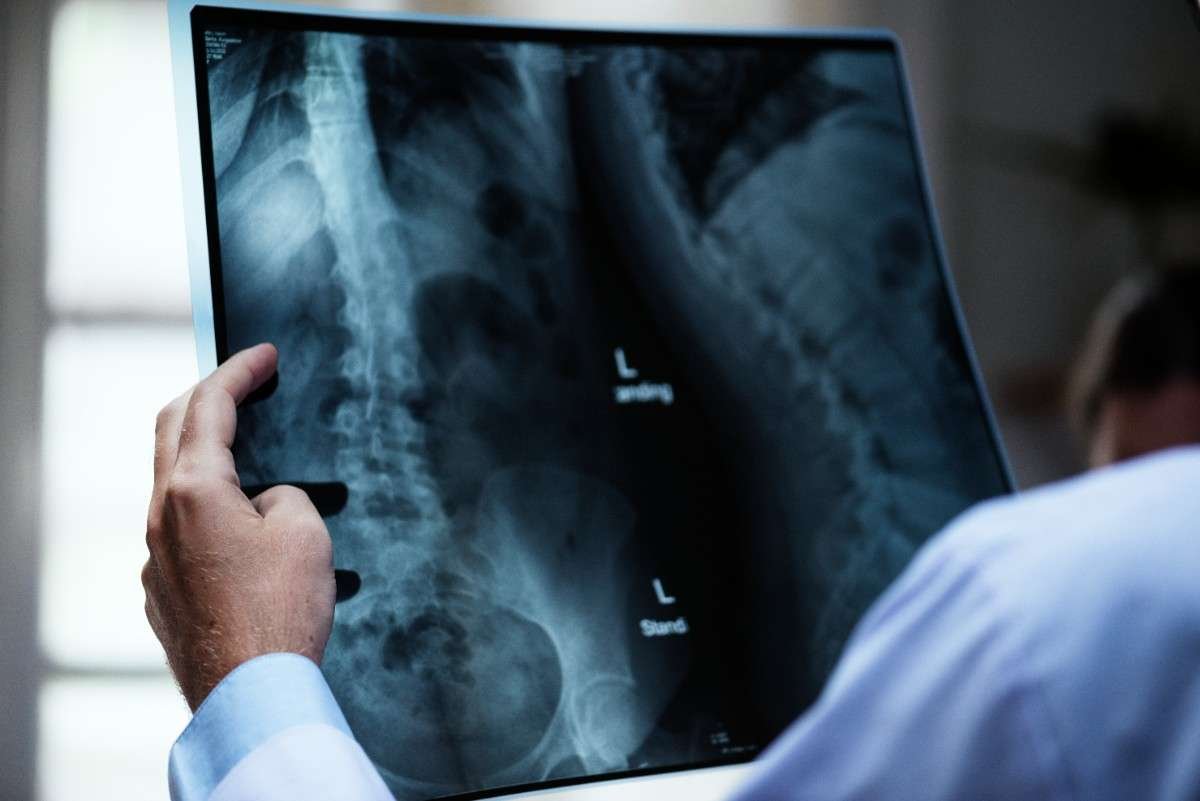
  • X-ray Spine
  • Biopsy
  • Neurological Examination

MRI is the most important test for diagnosing spinal cord tumors.


Our Spinal Tumor Surgery Services Include

  • Intramedullary Spinal Tumor Surgery
  • Extramedullary Spinal Tumor Surgery
  • Spinal Cord Decompression
  • Spinal Stabilization Surgery
  • Minimally Invasive Spine Tumor Surgery
  • Spinal Tumor Biopsy
  • Rehabilitation & Physiotherapy
  • Long-term Follow-up

We provide advanced spinal tumor surgery using microsurgical techniques and neuro monitoring to safely remove tumors and preserve spinal cord function.